Cello Lessons in Singapore
One-to-one cello lessons in Singapore — posture, tone and technique from beginner to ABRSM exam grades.
- MOE-aligned
- Screened tutors
- In-person & online
- 4 languages
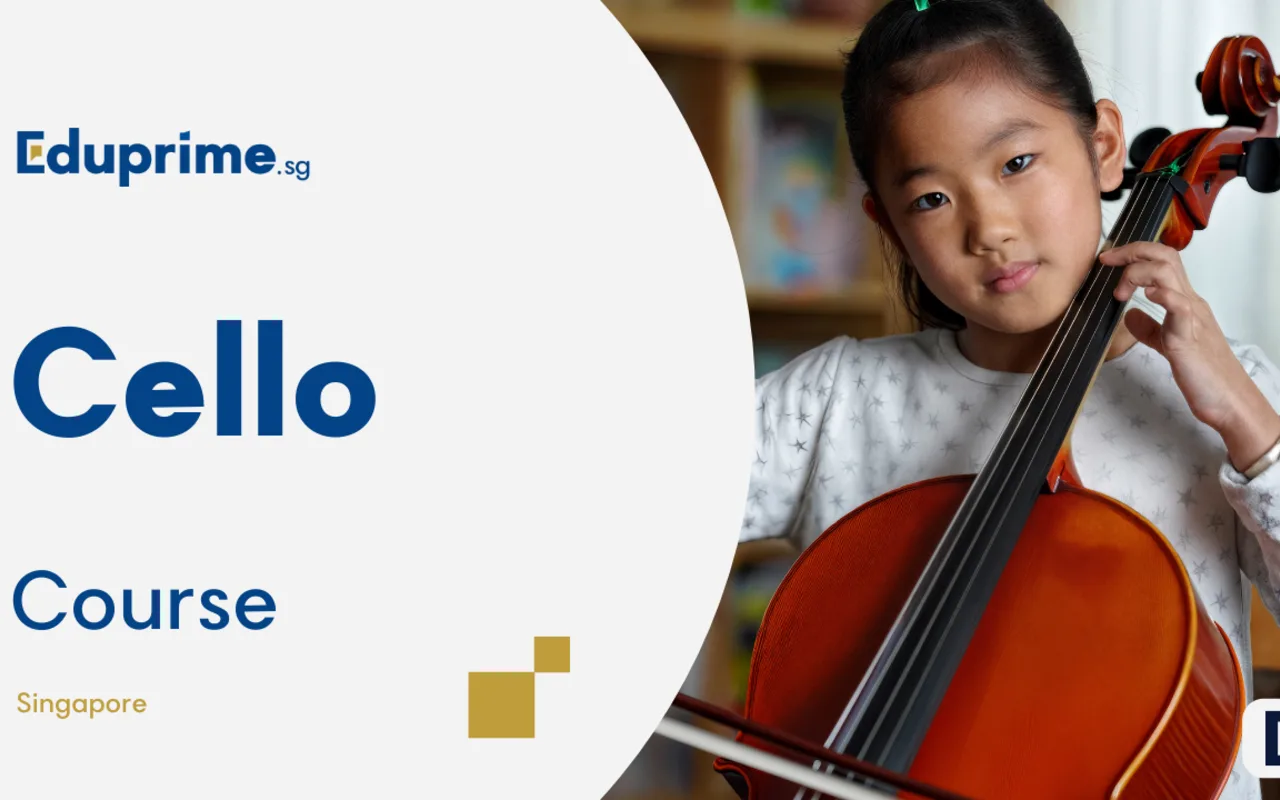
What is a cello course in Singapore?
A cello course in Singapore is private instruction in cello technique and musicianship — posture and bow hold, intonation, tone production, sight-reading and repertoire. It supports complete beginners, school-orchestra players and students preparing for ABRSM or Trinity graded examinations, taught at home across Singapore or online.
The essentials
What is Cello Lessons?
A cello course in Singapore is private instruction in cello technique and musicianship, covering posture and bow hold, intonation, tone production, sight-reading and repertoire. Lessons support complete beginners, school orchestra players, and students preparing for ABRSM or Trinity graded examinations, taught at home across Singapore or online.
Curriculum
What We Cover
Cello progression by stage
Foundations
Set up correctly
Posture and instrument setup; Bow hold; Open strings; First position; Reading rhythm
Technique
Build control
Scales and arpeggios; Shifting; Vibrato introduction; Bowing styles; Intonation
Exam & Performance
Apply musically
ABRSM/Trinity pieces; Sight-reading; Aural tests; Ensemble and orchestra readiness
Levels & Exam Systems
Cello graded-exam pathway
Typical progression through ABRSM / Trinity grades (board and pace vary by learner)
- 1
Pre-Grade / Foundations
Posture, bow hold, open strings, first position and basic rhythm before formal grade work.
- 2
Grades 1-3
Early graded pieces, simple scales and arpeggios, sight-reading and aural foundations.
- 3
Grades 4-5
Shifting, vibrato development, broader bowing styles and Grade 5 theory often required to progress further.
- 4
Grades 6-8
Advanced repertoire, full scale requirements, refined tone and performance preparation.
- 5
Post-Grade 8 / Performance
Diploma-level study, ensemble and solo performance, audition and orchestra readiness.
Good to know
Things parents ask us first
Posture and bow hold come first
Early intonation and tone problems usually trace back to setup. Time invested in correct posture, left-hand frame and bow hold in the first lessons prevents habits that are far harder to correct at higher grades.
ABRSM and Trinity assess differently
Both boards examine graded cello, but their syllabus pieces, scale requirements and supporting tests differ. Lessons are structured to the board the student or school chooses, including scales, sight-reading and aural.
Daily short practice beats long cramming
Cello progress is built on consistent, focused practice between weekly lessons. Short daily sessions on tone and intonation outperform occasional long sessions, especially for younger learners.
Useful for school strings and SYF
Cello is central to school orchestras and string ensembles. Lessons can prioritise ensemble readiness, sight-reading and the repertoire needed for CCA and Singapore Youth Festival commitments.
Compare
Cello stages compared
What the focus is at each stage
| Aspect | Stage | Best for | Core focus |
|---|---|---|---|
| Foundations | Complete beginners, young children | Posture, bow hold, first position, rhythm | |
| Technique building | Players with basics secured | Scales, shifting, vibrato, bowing styles | |
| Graded exam prep | ABRSM / Trinity candidates | Set pieces, scales, sight-reading, aural | |
| Ensemble & performance | School orchestra and SYF players | Ensemble skills, sight-reading, repertoire |
For Whom
Who a cello course in Singapore is for
Lessons matched to age, level and goal
Parents of young beginners
Children starting cello, needing correctly sized instruments and patient foundation teaching.
- Right cello size
- Posture and bow hold
- Keeping young learners motivated
School orchestra / CCA players
Students in school strings or orchestra needing ensemble skills, sight-reading and SYF repertoire.
- Sight-reading speed
- Ensemble blend
- CCA and SYF repertoire
Graded exam candidates
Students working toward ABRSM or Trinity grades who need structured set-piece, scale and aural preparation.
- Set-piece polish
- Scales and arpeggios
- Sight-reading and aural tests
Adult learners
Adults learning cello for enjoyment or returning after a break, at a comfortable pace.
- Starting from scratch
- Time for practice
- Realistic progression
How It Works
From first call to first lesson
How starting a cello course with Eduprime works
- 1
Free consultation
We discuss age, level, whether graded exams are the goal and any school-orchestra needs.
~15 min - 2
Instrument advice
Guidance on the right cello size or rental before lessons begin.
Before lesson 1 - 3
Teacher matching
A cello teacher is matched to the level, goal (exam or recreational) and home/online preference.
1-3 days - 4
Foundations
Posture, bow hold, first position and reading are established or refreshed.
Early lessons - 5
Technique & repertoire
Scales, shifting, vibrato and graded or ensemble repertoire are developed.
Ongoing - 6
Exam or performance prep
Set pieces, scales, sight-reading and aural, or ensemble/performance readiness as the goal requires.
Toward exam/SYF
By the numbers
What a cello course with Eduprime covers
Honest scope — structured progression, no guaranteed grades
- Beg-Gr8
- Beginner to advanced grades
- ABRSM/Trinity
- Graded exam preparation
- 1-to-1
- lessons
- Islandwide
- home or online
FAQ
Frequently Asked Questions
Common questions from Singapore parents and students
Next step
Start Cello Lessons in Singapore
Free consultation to assess level and match the right cello teacher.
- Free needs assessment
- Experienced, vetted instructors
- Home or online across Singapore
Eduprime — Singapore private tuition, MOE-aligned tutors.