Coding for Kids in Singapore
Beginner-friendly coding lessons for children in Singapore — Scratch, game-making and an introduction to Python.
- MOE-aligned
- Screened tutors
- In-person & online
- 4 languages
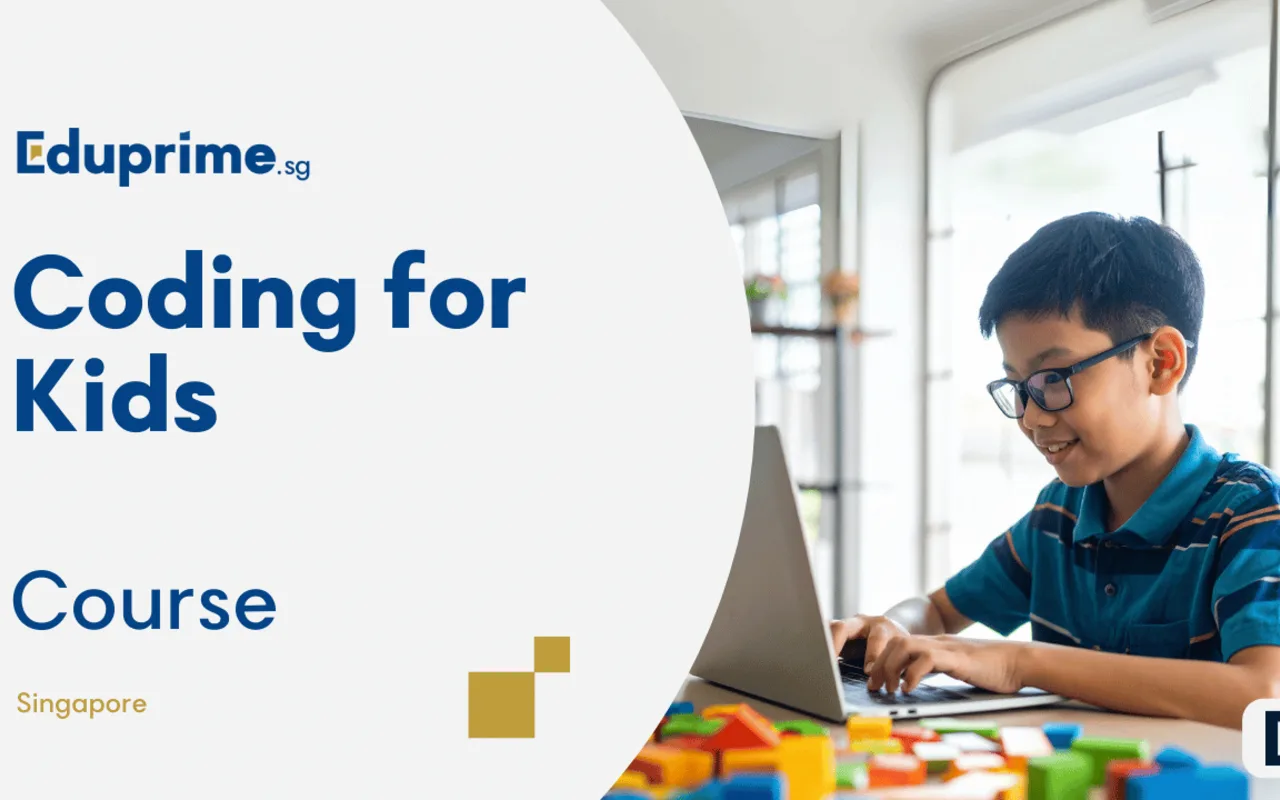
What is a coding course for kids in Singapore?
A coding course for kids in Singapore is a structured, age-appropriate introduction to computational thinking and programming. Children begin with Scratch block coding, build games and projects, then progress to beginner Python — developing logic, problem-solving and creativity in the spirit of Singapore's Code for Fun direction.
The essentials
What is Coding for Kids?
A coding course for kids in Singapore is a structured, age-appropriate introduction to computational thinking and programming. Children progress from block-based coding in Scratch to beginner text coding in Python, building games and projects that develop logic, problem-solving and creativity. Lessons align with the spirit of Singapore's Code for Fun and digital-literacy push, taught one-to-one or in small groups.
Curriculum
What We Cover
A progression kids can follow
Block Coding (Scratch)
Start with blocks
Sequences and loops; Events; Variables; Building a simple game
Logic & Problem Solving
Think like a coder
Decomposition; Patterns; Conditionals; Debugging strategies
Intro to Python
Move to text code
Print and variables; Loops and conditionals; Simple functions; A first Python project
Levels & Exam Systems
Where kids' coding fits in the Singapore journey
Mapped to school stage, not a graded exam
- 1
Lower Primary (P1–P3)
Playful introduction to sequences, loops and events through Scratch game-making.
- 2
Upper Primary (P4–P6)
Stronger computational thinking, debugging and richer Scratch projects, complementing school Code for Fun.
- 3
Lower Secondary (Sec 1–2)
Transition from blocks to beginner Python with simple functions and first text-based projects.
- 4
Beyond
Foundation for robotics, STEM enrichment or later computing electives — coding here is enrichment, not an MOE-graded subject.
Good to know
Things parents ask us first
Start with blocks, not syntax
Visual block coding lets a child master loops, events and variables without being blocked by typos and semicolons. The logic learned in Scratch transfers directly when they later move to Python text code.
Aligned with Singapore's digital push
MOE and IMDA's Code for Fun introduces computational thinking in many primary and lower-secondary schools. These lessons reinforce the same thinking through projects and prepare children well if they pursue robotics or STEM later.
Projects keep motivation high
Children stay engaged when they build something real — a game, an animation, a quiz. Every block of lessons ends with a finished project the child can show family and build on.
Compare
Block coding vs beginner Python
How the two stages of a kids' coding journey compare
| Aspect | Stage | Best starting age | What they build | Skill focus |
|---|---|---|---|---|
| Scratch (block) | ~7–10 | Games and animations | Logic without syntax | |
| Logic & problem solving | ~8–12 | Puzzles and debugging tasks | Decomposition and patterns | |
| Beginner Python | ~10–14 | Simple text programs | Real code and functions |
For Whom
Who kids' coding in Singapore is for
Paced to the child's age and confidence
Parents of young beginners (P1–P3)
Want a fun, screen-positive first exposure to coding that builds logic, not just screen time.
- No prior experience
- Short attention span
- Wanting visible progress
Parents of upper-primary children
Child enjoyed Code for Fun at school and is ready to go further with structured projects.
- School only scratched the surface
- Maintaining momentum
- Moving toward Python
Lower-secondary explorers
Students considering computing, robotics or a future tech track and wanting a solid coding base.
- Bridging blocks to text code
- Confidence with real syntax
- Building a portfolio
STEM-curious families
Looking to pair coding with robotics or STEM enrichment for broader problem-solving skills.
- Choosing a coherent pathway
- Linking coding to STEM
- Sustained interest
How It Works
From free trial to first project
How starting kids' coding with Eduprime works
- 1
Free trial session
We gauge the child's age, interest and any prior experience in a relaxed first session.
~30 min - 2
Coach matching
We match a patient, kid-friendly coding coach for the right level — home or online.
1–3 days - 3
Start with Scratch
The child learns sequences, loops and events by building a simple game from lesson one.
Early lessons - 4
Logic and debugging
Decomposition, patterns and debugging strategies deepen the child's problem-solving.
Ongoing - 5
Move to Python
When confident, the child transitions to beginner Python with variables, loops and functions.
When ready - 6
Build and showcase a project
The child completes a project to demonstrate skills and motivate the next stage.
Each block
By the numbers
What the kids' coding course covers
Honest scope — structured enrichment, no grade promises
- ~7–14
- typical age range
- Scratch → Python
- progression
- Project-based
- every block
- Islandwide
- home or online
FAQ
Frequently Asked Questions
Common questions from Singapore parents and students
Next step
Start Coding for Kids in Singapore
Free trial session to match a patient, kid-friendly coding coach.
- Free needs assessment
- Experienced, practitioner instructors
- Home or online across Singapore
Eduprime — Singapore private tuition, MOE-aligned tutors.